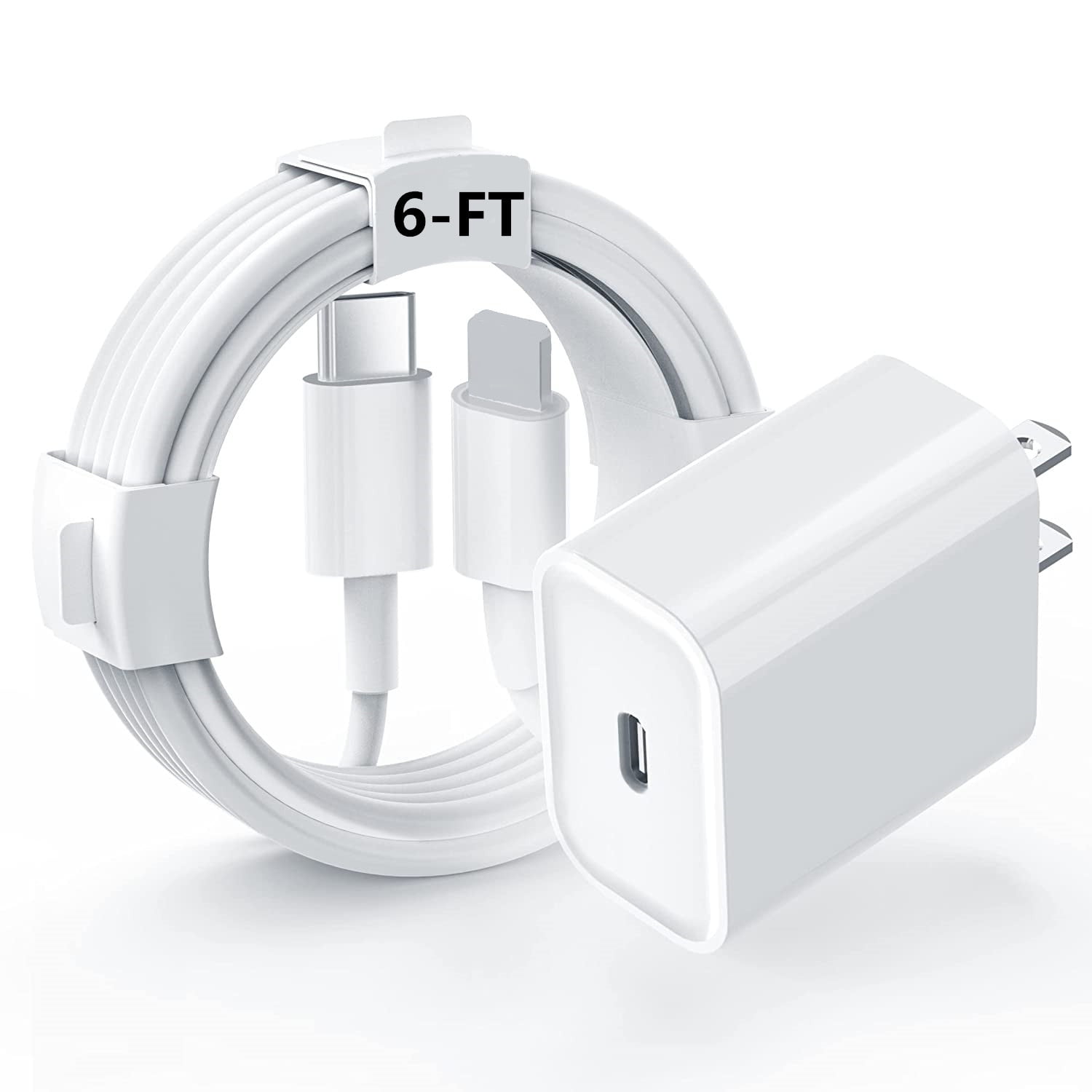
The Evolution of Phone Chargers: From Wall Plugs to Wireless Wonders
The journey of phone chargers has undergone a remarkable transformation since the early days of mobile technology. Initially, wall plugs were the sole means to power up our devices, offering a reliable yet cumbersome solution. These chargers featured bulky designs and lengthy wires that limited mobility and convenience. As mobile phones became an integral part of everyday life, the demand for more efficient and portable charging options surged. This evolution paved the way for innovation, leading to the development of portable chargers and faster charging technology that significantly enhanced user experience.
Today, we stand on the cusp of a new era with the rise of wireless chargers. These charging solutions eliminate the hassle of tangled cords while providing a sleek, modern alternative to traditional plugs. With Qi technology becoming the standard, users can now power their devices simply by placing them on a charging pad. This transition not only reflects advancements in charging technology but also highlights a shift in consumer preferences toward convenience and aesthetics. As we look to the future, innovations such as solar-powered chargers and even kinetic charging may redefine how we keep our devices fueled.
If you're looking to streamline your workspace with efficient charging solutions, consider exploring the Top 10 Desk Wireless Chargers. These chargers not only reduce clutter but also provide quick and convenient access to power for your devices. Whether you need a compact model or one with multiple charging spots, there's a perfect option to enhance your desk setup.
How Do Different Charging Technologies Work? A Deep Dive into Fast Charging
In recent years, fast charging technology has transformed the way we charge our devices. With the increasing demand for quicker power replenishment, various charging technologies have emerged, each utilizing distinct methods to enhance charging speed. One of the most common methods is Power Delivery (PD), which can deliver up to 100 watts of power, utilizing a USB-C connection. This technology negotiates with the device to deliver the optimal power level, significantly reducing charging times. Additionally, proprietary technologies like Qualcomm's Quick Charge and Samsung's Adaptive Fast Charging have introduced rapid voltage and current adjustments, enabling smartphones and tablets to charge significantly faster than traditional methods, often reaching 50% charge in just 30 minutes.
Another key approach to fast charging is the wireless charging technology, which has gained popularity for its convenience. Technologies like Qi and PMA use electromagnetic fields to transfer energy between two objects, allowing devices to charge without the need for physical connections. Although wireless charging is generally slower than wired fast charging, innovations such as fast wireless charging, which can deliver up to 15 watts, are narrowing the gap. Understanding these different charging technologies is essential for consumers to make informed decisions about their devices, ensuring they choose solutions that best suit their needs and lifestyles.
Will We Ever Standardize Phone Chargers? Exploring the Future of Charging Solutions
As technology continues to evolve, the quest for standardized phone chargers has become a focal point for consumers and manufacturers alike. The current landscape is characterized by a plethora of charging solutions, from USB-C to proprietary connectors, creating a confusing experience for users. This inconsistency not only poses inconvenience but also generates electronic waste as users frequently purchase new chargers for different devices. With the EU pushing for a common charging standard and tech giants like Apple and Samsung occasionally shifting their policies, the dream of a universal charger is becoming a tangible possibility.
However, the road to standardization is fraught with challenges. Manufacturers have vested interests in maintaining their proprietary systems for brand loyalty and market differentiation. Additionally, innovations such as wireless charging and fast charging technologies complicate the dialogue around standardization. As we explore the future of charging solutions, it remains to be seen whether a consensus can be reached. Will we see a shift towards universally compatible chargers, or will the pursuit of innovation continue to fragment the charging landscape? Only time will tell.